

What Is Roof Flashing and Why Do Homes Need It?
Roof flashing is a thin material—commonly metal—that directs water away from critical areas of a roof, such as joints, edges, chimneys, skylights, and vents. Without properly installed flashing, water can seep under shingles and into the home, leading to leaks, wood rot, mold, and premature roof failure. In Fort Edward, where rain, ice, and snow are a given throughout the year, roof flashing is a frontline defense against moisture damage.
Where Is Flashing Found on a Typical Fort Edward Roof?
Most homes in the community have pitched roofs, which require several types of flashing to protect vulnerability points. Key areas include:
- Valleys, where two roof slopes meet and direct a high volume of runoff
- Around chimneys, which often extend through sloped roofing
- Skylights and roof windows, which break the uniformity of shingle surfaces
- Plumbing vents and exhaust stacks
- Eaves and rakes, where the roof meets the edges of the house
In each spot, flashing provides a water-resistant barrier, bridging gaps between roofing materials and structural features.
How Does Roof Flashing Work?
Flashing is bent and installed to guide water away from seams and toward the main drainage paths, such as gutters. The shape and material depend on its location and exposure. For example, step flashing is layered with shingles up vertical walls, while continuous flashing creates a single, uninterrupted water path at roof edges.
In the cold months, the freeze-thaw cycle can push water into small openings. Flashing prevents this water from infiltrating the roof system, which is especially crucial in climates with frequent snowfall and ice dams like Fort Edward.
What Materials Are Used for Flashing—and Why Does Material Matter?
Common flashing materials include:
- Galvanized steel (affordable and widely used)
- Aluminum (lightweight, but may react with some roofing materials)
- Copper (long-lasting, often chosen for historic homes)
- Rubber or plastic (used for vent pipe boots, but less durable over decades)
The right material depends on a home's roof type, climate exposure, and architectural features. In this region, metal is most widely used because it stands up to rain, snow, and temperature swings over many years.
What Happens If Flashing Fails or Goes Missing?
If flashing is damaged, corroded, or improperly sealed, water can enter through the smallest gaps. Typical problems experienced by area households include:
- Water stains on ceilings or attic rafters
- Peeling paint or bubbling drywall near chimneys or walls
- Musty smells and visible mold in attics or upper rooms
- Ice damming at roof edges from melted snow refreezing and backing up under shingles
Because moisture issues often start small and spread slowly, minor flashing damage can go unnoticed until larger problems emerge.
How Can Residents Tell If Roof Flashing Needs Attention?
Routine visual checks from the ground or attic can catch early signs:
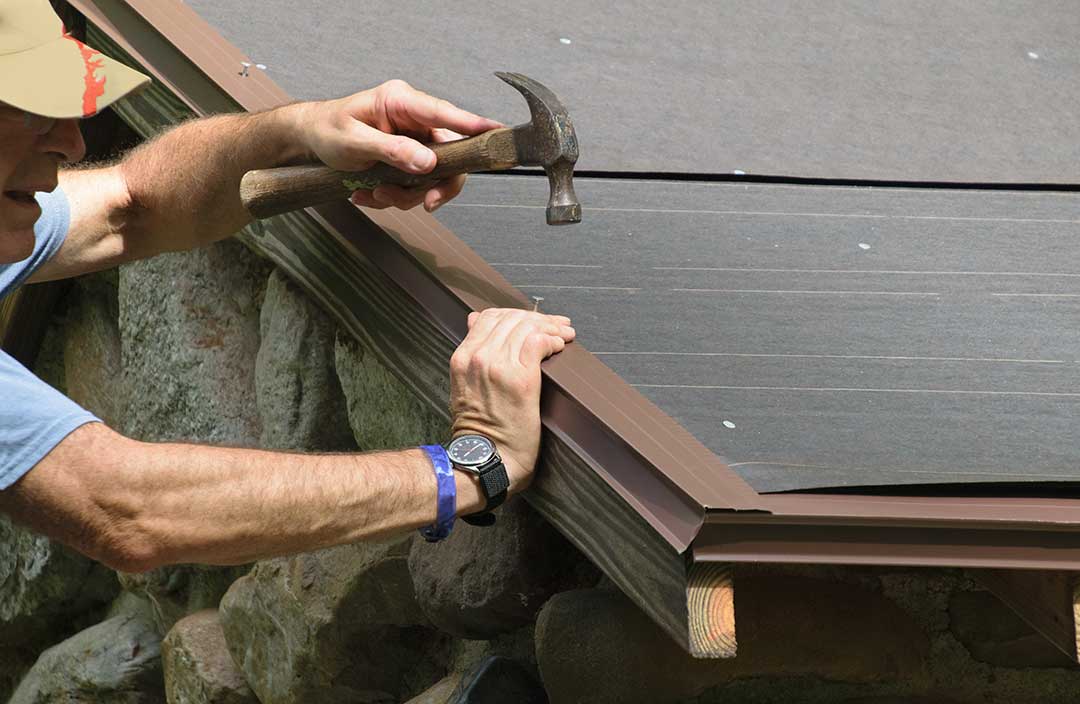
- Lifted, bent, or rusty flashing around chimneys, vents, or valleys
- Missing sections, especially after storms with high wind or hail
- Water stains or drips during heavy rain or spring melt
In Fort Edward’s climate, ice buildup and shifting snow loads each winter can loosen flashing. Homeowners should be especially watchful after seasonal weather extremes.
Common Myths and Overlooked Risks
Some believe roofs can rely solely on shingles for waterproofing. In reality, shingles alone can’t block water at joints or complex roof features. Another misconception is that flashing never requires attention unless a leak appears. However, catching problems early—before leaks—can prevent more expensive repairs later.
A less obvious factor is that older homes in the area may have flashing hidden beneath layers of roofing, making issues hard to spot without a careful inspection during repairs or replacement.
What Maintenance Is Recommended for Roof Flashing?
Local experience suggests:
- Inspecting flashing every spring and fall, especially after freeze-thaw cycles
- Clearing debris from gutters and valleys to keep water moving away from seams
- Checking for physical damage after severe weather, when wind and flying debris may have loosened or lifted metal strips
If flashing is visibly damaged or leaking, addressing it quickly—possibly as part of other roof maintenance—will protect the home’s structure and insulation from long-term water damage.
Are There Codes or Rules About Roof Flashing Locally?
Building codes set minimum standards for flashing installation on all new roofs and many repairs. For most homes in Fort Edward, codes require metal flashing at all roof-to-wall junctions, chimneys, and penetrations through the roof. These regulations exist because improper flashing is one of the most common sources of preventable water intrusion in local homes.
While DIY repairs are possible for minor issues, major installation or replacement typically requires compliance with safety codes, including proper flashing overlap, fastening, and sealing.
What Should Residents Prioritize With Roof Flashing?
A well-sealed, correctly installed flashing system prevents some of the most disruptive and expensive problems homeowners face, especially where winters are harsh and wet weather common. Those planning roof updates or noticing signs of water damage around roof features should keep flashing on their checklist when evaluating the overall condition of their roof—not just the shingles or tiles.
