
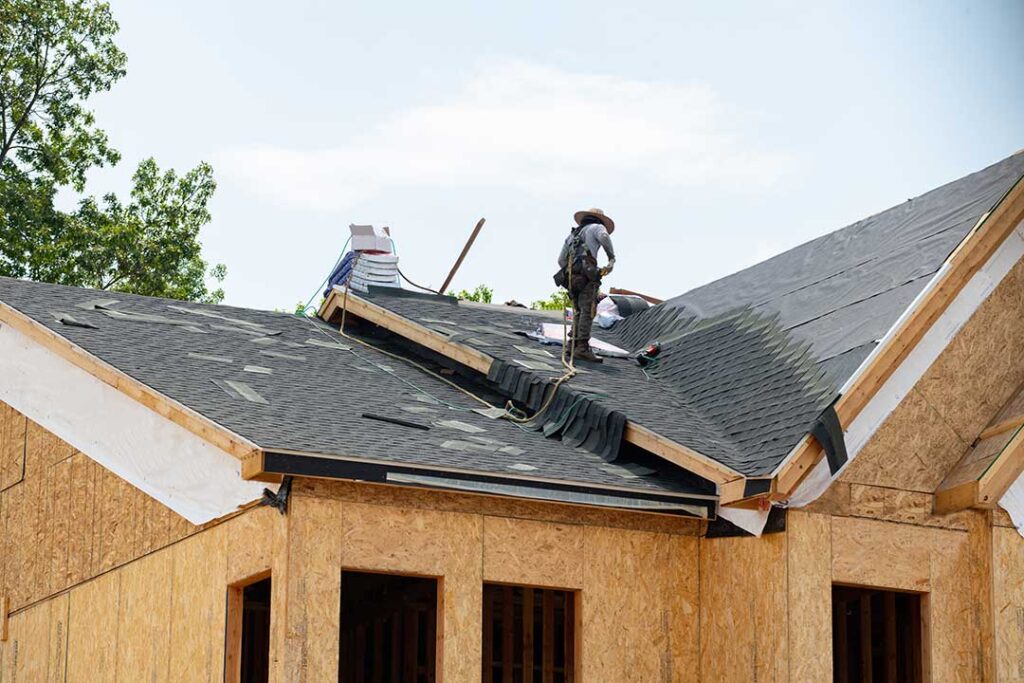
A roof problem rarely stays limited to the original damaged spot. In Fort Edward, NY, repeated freeze-thaw cycles, snow, ice, wind, and summer storms can turn a small roof defect into a larger building problem. The eventual cost may include more than shingles: insulation, ceilings, framing, electrical components, flooring, personal belongings, and temporary living arrangements can all be affected.
How does a small roof leak become an expensive repair?
A small leak becomes costly when water travels beyond the place where it first enters. Roofing materials may hide the path, allowing moisture to move along roof decking, rafters, insulation, drywall, or interior trim before staining becomes visible.
For example, a damaged flashing area around a chimney, vent, or roof edge may allow a limited amount of water into the attic. At first, the only sign may be a faint ceiling mark. Over time, damp insulation loses effectiveness, wood remains wet, and repeated moisture can cause deterioration around the opening.
The visible stain is not always the full extent of the damage. By the time it appears indoors, water may already have affected several layers of the building.
What costs are commonly added by delaying roof problems?
The direct cost of correcting the roof is only one part of the financial impact. Delayed maintenance can add several related expenses:
- Roof decking repairs: Persistent moisture can weaken the plywood or boards beneath the roof covering.
- Insulation replacement: Wet insulation may lose performance and retain moisture against surrounding materials.
- Ceiling and wall repairs: Stained drywall, plaster, paint, and trim may need removal and replacement.
- Framing repairs: Rafters, trusses, and wall plates can deteriorate if exposed to repeated moisture.
- Mold and odor treatment: Damp, poorly ventilated areas may develop musty odors or microbial growth.
- Electrical corrections: Water near light fixtures, wiring, or electrical equipment creates a safety concern.
- Interior contents: Furniture, clothing, books, electronics, and stored belongings may be damaged.
- Temporary disruption: Rooms may become difficult to use while materials dry or repairs are completed.
A roof issue that could have been addressed at the exterior may eventually require work across several trades. That added complexity is one reason delay tends to increase the final bill.
Why are winter conditions especially hard on roofs in Fort Edward?
Cold-weather conditions create several forms of stress at once. Snow adds weight, while ice can block normal drainage and encourage water to move beneath roof coverings. Freeze-thaw cycles are also significant: water enters a small crack, freezes and expands, then leaves a slightly larger opening when temperatures rise.
Ice dams can form when heat escapes unevenly through the roof or attic. Snow melts over warmer sections, flows toward colder eaves, and refreezes near the roof edge. The resulting ice may obstruct drainage and force water under shingles or other roofing materials.
Winter weather does not automatically mean a roof will fail. However, an existing weakness may become more serious during a season when access is difficult and moisture can remain hidden for longer periods.
Can a roof leak cause structural damage?
Yes. A roof leak can contribute to structural damage when moisture repeatedly reaches wood components or remains trapped in concealed spaces.
Roof decking may soften or lose its ability to hold fasteners. Rafters and trusses can weaken over time, particularly near long-term leaks. Wall framing beneath a roof edge may also be affected if water enters through damaged flashing or an obstructed gutter system.
Structural damage is not always dramatic or immediately visible. A sagging roof area, uneven ceiling, doors that begin sticking, or cracking near an upper wall may indicate that moisture has affected more than the roof covering. These signs should not be ignored, especially if they appear after a known leak.
Does a roof problem affect energy costs?
It can. Missing or damaged roofing materials may allow water into insulation, reducing its ability to resist heat transfer. Air leaks around roof penetrations, attic hatches, and poorly sealed areas can also allow heated air to escape during winter.
A damaged roof may therefore contribute to:
- Higher heating demand
- Cold ceilings or upper-floor rooms
- Drafts near attic access points
- Uneven indoor temperatures
- Damp insulation that dries slowly
Replacing insulation without addressing the source of moisture does not solve the underlying problem. Likewise, adding insulation over wet or damaged materials can trap moisture and make the condition harder to identify.
Are interior stains always caused by the roof?
No. A ceiling stain may come from plumbing, heating equipment, condensation, ice-related leakage, or a roof defect. The location of the stain does not necessarily match the location of the exterior problem.
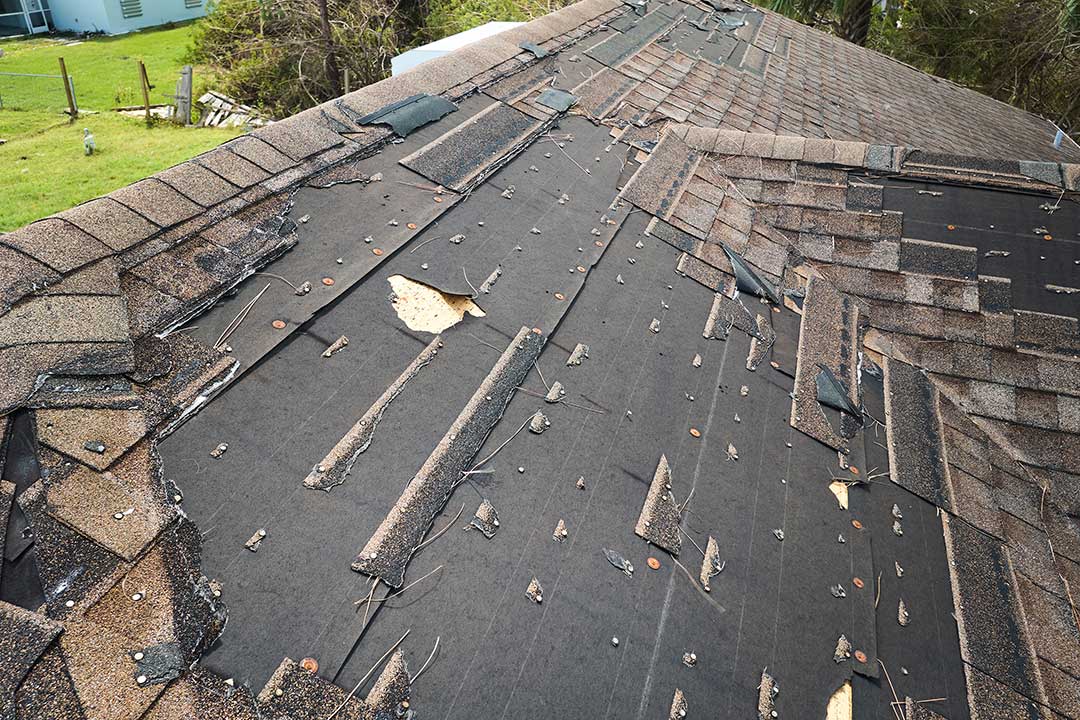
Water can travel along framing, pipes, ducts, and ceiling surfaces. A stain several feet away from a roof penetration may still be connected to that opening. For this reason, painting over a mark without identifying the source often leads to recurrence.
A useful first step is to document when the stain appears. If it becomes worse after rain, snowmelt, wind-driven precipitation, or a rapid temperature change, that pattern can help narrow the cause. Photographs taken before cleanup may also help track whether the affected area is expanding.
How can homeowners identify a roof problem before it becomes severe?
Routine observation is more useful than waiting for a ceiling stain. Exterior and interior checks can reveal early warning signs, including:
- Missing, lifted, cracked, or unusually worn shingles
- Exposed fasteners or separated flashing
- Granules collecting in gutters or downspouts
- Sagging roof lines or roof decking
- Damp insulation or daylight visible in the attic
- Musty odors near upper floors
- Peeling paint or recurring ceiling discoloration
- Water appearing around chimneys, vents, skylights, or roof edges
- Gutter sections pulling away from the structure
Inspection should be done from a safe location. Walking on a steep, icy, wet, or damaged roof creates a fall hazard and may cause additional damage. Binoculars, attic observation, and views from the ground are safer ways to notice possible concerns.
What should happen after active leaking begins?
Active leaking requires prompt attention because continued moisture can rapidly expand the affected area. Place containers beneath drips when safe, move belongings away from the area, and keep clear of ceiling sections that appear swollen or sagging.
Water near electrical fixtures, outlets, or wiring presents a serious hazard. Avoid touching wet electrical components, and leave the area if there is sparking, a burning smell, or visible electrical damage. A heavily sagging ceiling should also be treated cautiously because wet materials can become heavier and fail without much warning.
After the immediate hazard is controlled, the building needs both the water source and the interior moisture addressed. Drying only the visible surface may leave wet insulation, decking, or framing concealed behind finished materials.
How do insurance and maintenance decisions affect the final cost?
Insurance coverage depends on the policy, the cause of damage, exclusions, and evidence of maintenance. Sudden storm damage may be treated differently from deterioration that developed gradually. A long-standing leak can create questions about whether the damage was reasonably preventable.
Keeping dated photographs, repair records, inspection notes, and receipts for maintenance can help document the condition of the roof over time. Records do not guarantee coverage, but they provide a clearer history of what happened and when.
The most avoidable costs usually come from allowing a known condition to continue. A loose flashing section, recurring stain, damaged vent seal, or blocked drainage path may seem minor, but repeated exposure to water is what turns many roof repairs into building repairs.
