
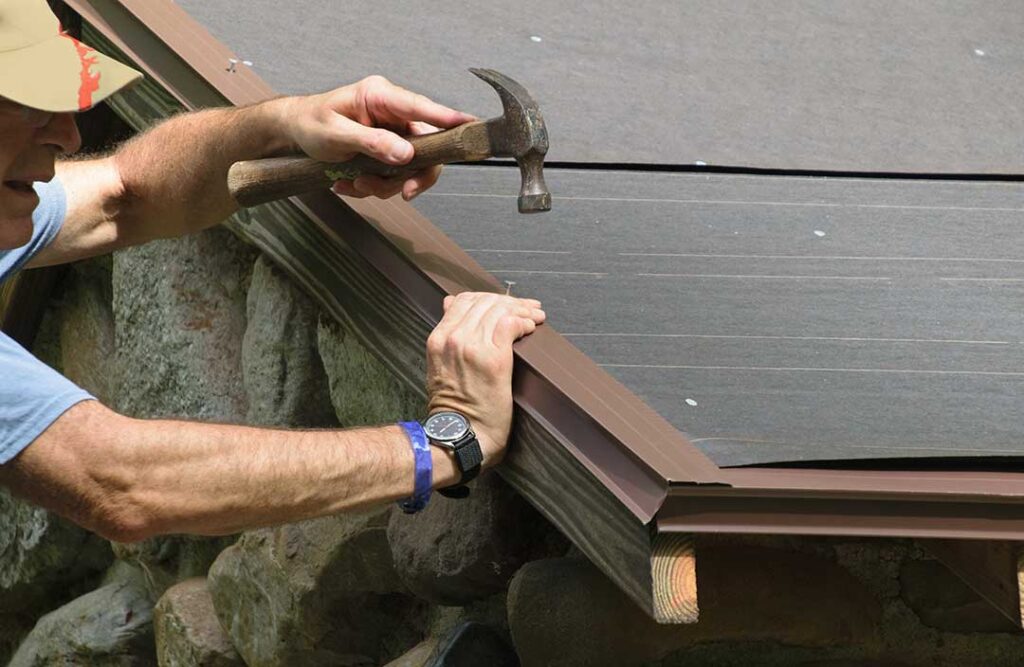
Skylights can make a room brighter and more comfortable, but they also create an opening in the roof that must remain watertight, properly supported, and well insulated. In Fort Edward, NY, that opening must withstand heavy snow, freezing temperatures, ice formation, wind-driven rain, and repeated seasonal expansion and contraction.
A skylight is not automatically a roofing problem. Most difficulties develop when the unit, flashing, roof covering, or surrounding drainage system is poorly matched or allowed to deteriorate.
Do skylights weaken a roof?
A properly installed skylight does not normally weaken a roof in a meaningful way. The roof opening is framed with structural members that transfer loads around the skylight, much like framing around a window or chimney.
The greater concern is not usually the glass or plastic itself. Problems are more likely when:
- Roof framing is cut without adequate reinforcement
- The skylight is too large for the available roof structure
- Flashing is installed incorrectly
- Water is allowed to collect above the unit
- Snow and ice place repeated pressure on the surrounding area
- Interior moisture condenses around the skylight shaft
Roof structure should be considered before installation, especially on older homes with previous alterations, undersized framing, or roof areas that already show sagging.
How does a skylight create leak risks?
A skylight creates several seams where water must be directed away from the opening. These include the frame, flashing, underlayment, roofing materials, and sometimes a raised curb.
The upper side of the skylight is particularly significant because rain and melting snow flow toward it. A properly designed installation uses flashing and, where appropriate, a sloped saddle or cricket to move water around the unit rather than allowing it to collect behind it.
Common leak sources include:
- Cracked or deteriorated flashing
- Exposed fasteners
- Missing or damaged underlayment
- Roofing materials installed too tightly or too loosely around the frame
- Sealant used as a substitute for proper flashing
- Debris collecting above the skylight
- Failed gaskets or aging glazing
- Ice dams forcing water beneath the roof covering
A bead of caulk may slow a leak temporarily, but it rarely corrects a flashing or drainage problem. The visible drip inside the house may also appear several feet away from the actual exterior entry point.
Why are snow and ice especially relevant in Fort Edward?
Cold-weather conditions affect skylights in two separate ways: they increase the load on the roof and make water movement less predictable.
Snow can accumulate around a skylight because the unit interrupts the roof plane. If the skylight is warmer than the surrounding roof, snow may melt unevenly and refreeze near the lower edge. This can contribute to ice dams, especially when attic insulation and ventilation are inadequate.
A skylight can also lose more heat than the surrounding insulated roof area if the shaft is poorly insulated or the unit has older glazing. Warm air from the living space may rise into the shaft, warming the underside of the roof and contributing to uneven snow melt.
This does not mean skylights should be cleared routinely from the roof by walking on or around them. Roof access during icy conditions is hazardous, and skylight surfaces may be difficult to see under snow. Snow removal decisions should account for roof design, snow depth, structural concerns, and safe access.
Can a skylight cause interior condensation?
Yes. Condensation around a skylight is often mistaken for a roof leak, although both conditions can occur at the same time.
Condensation forms when warm, moist indoor air contacts a cold surface. It is more likely in bathrooms, kitchens, bedrooms, and homes with limited ventilation. Warning signs include:
- Water droplets on the inside of the glazing
- Damp drywall around the shaft
- Peeling paint or stained trim
- Mold-like spotting
- Moisture that appears during very cold weather but not during rain
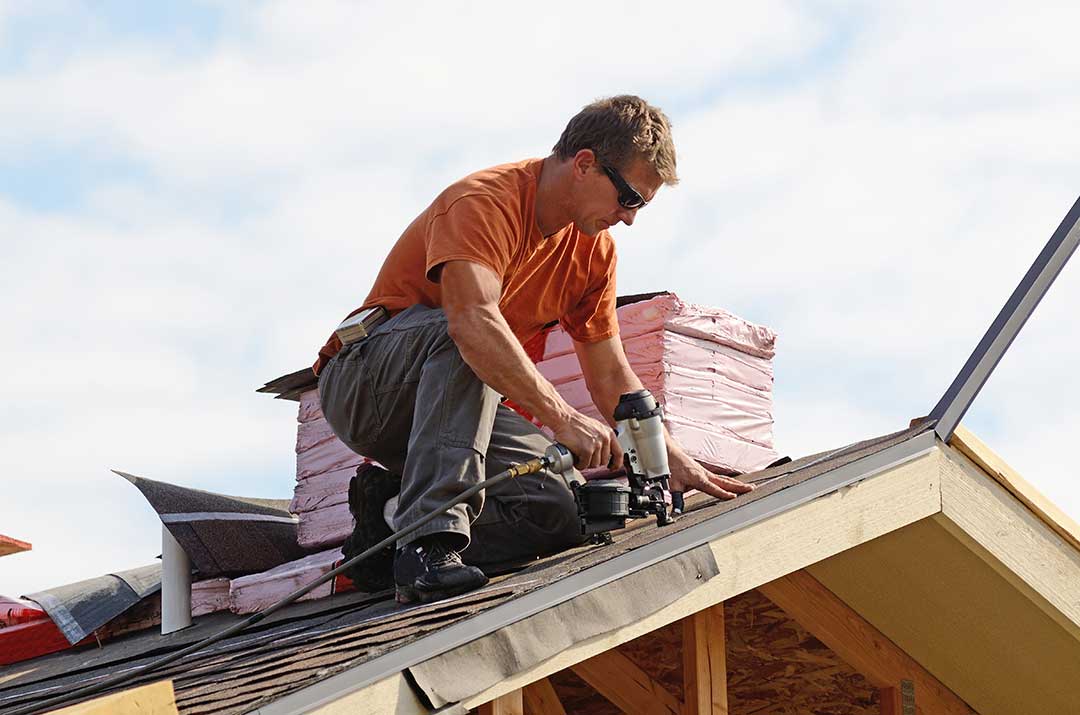
The skylight shaft should be insulated and air-sealed continuously between the room and the attic. Bathroom and kitchen exhaust fans should vent outdoors, not into the attic. Indoor humidity also matters; excessive moisture can condense on windows, skylights, roof decking, and other cold surfaces.
A roof inspection may be needed if moisture appears after rainfall, if staining is localized near flashing, or if the condition continues despite improved ventilation.
Do skylights affect attic ventilation?
A skylight does not replace proper attic ventilation. It may change air movement around the opening, but it should not be treated as a substitute for intake and exhaust vents.
A healthy roof assembly generally needs a balanced path for air to enter near the lower roof edges and exit near the ridge or upper roof area. Blocked ventilation channels can trap heat and moisture, increasing the risk of roof-deck deterioration, frost accumulation, and ice dams.
Skylight shafts can also interrupt insulation and ventilation paths. During installation or remodeling, insulation should not be packed into areas where it blocks required airflow beneath the roof covering. At the same time, gaps around the shaft should not allow warm household air to escape into the attic.
How can homeowners tell whether a skylight is affecting the roof?
Regular observation from inside and outside can identify early warning signs. From the living space, look for:
- Brown or yellow stains
- Bubbling paint or damaged drywall
- Damp wood trim
- Drafts around the frame
- Cracked glazing
- Difficulty opening or closing a venting unit
- Condensation that returns repeatedly
From the ground, binoculars may help reveal lifted shingles, damaged flashing, debris buildup, or visible gaps around the skylight. Do not climb onto a steep, wet, icy, or snow-covered roof simply to inspect a skylight.
The timing of the moisture is useful information. Water appearing during rain suggests a possible exterior leak. Moisture appearing only during cold periods may point toward condensation, air leakage, insulation problems, or ice-related backup. These patterns are clues, not a final diagnosis.
Should a skylight be replaced when the roof is replaced?
Not always, but roof replacement is a practical time to evaluate the skylight closely. If the unit is near the end of its service life, has fogged glazing, brittle seals, damaged framing, or repeated leaks, leaving it in place may require disturbing new roofing materials later.
Keeping an older skylight may be reasonable when the frame, glazing, flashing design, and surrounding roof area remain in good condition. Replacement may make more sense when the skylight has a history of leaks or when its design is incompatible with the planned roof covering.
The decision should consider the skylight’s age and condition, the remaining life of the roof, energy performance, interior finishes, and the difficulty of replacing flashing without damaging adjacent materials.
What maintenance does a skylight need?
Skylight maintenance is mostly preventive. Keep nearby roof drainage paths clear of leaves, branches, and accumulated debris. Inspect the interior ceiling and trim periodically, particularly after heavy rain, thawing weather, and strong wind.
Do not apply roofing cement or caulk over every visible seam. Unplanned sealant can conceal deterioration and make later repairs more difficult. Any work involving damaged glass, structural framing, icy roof surfaces, or suspected widespread water intrusion presents safety concerns and may require qualified assistance.
A well-designed skylight can provide daylight for many years. Its effect on the roof depends largely on sound framing, reliable flashing, controlled indoor humidity, adequate insulation, and the ability of snow and rain to drain around the opening without obstruction.
