

What Does Hail Damage Look Like on Residential Roofs?
Hail damage can be subtle or obvious, depending on hail size and roofing materials. On asphalt shingles, look for small, round impact marks where protective granules are displaced, sometimes exposing the black or shiny underlayer. These dings may seem minor but can shorten the roof’s life and make it vulnerable to leaks.
On metal roofing, hail can leave dents or pocked areas, while wood shakes or slate might show splits, chips, or cracks at impact points. Unlike natural weathering, hail damage tends to be random rather than uniform, rarely following a specific pattern.
How Common Is Hail Damage in Fort Edward?
Local homeowners are familiar with sudden hailstorms, especially during spring and summer thunderstorms. Even small hail can damage older roofs or those with brittle shingles. Hail between 1/2 inch and 1 inch in diameter is typically enough to mark up shingles, while larger stones (more common in some upstate New York storms) can crack or puncture roofing.
Damage may not be obvious from the ground, especially on steep roofs. Area residents should pay extra attention after any hailstorm, particularly if they notice hail accumulations on decks, vehicles, or landscaping.
Which Roof Materials Are Most Vulnerable in This Area?
Roofs in Fort Edward are often covered with asphalt shingles, metal, wood shakes, or occasional slate. Each has its vulnerabilities:
- Asphalt shingles: Lose protective granules, develop bruising or soft spots
- Metal panels: Show circular dents or creases
- Wood shakes: May crack, split, or dent
- Slate: Prone to breakage along edges
Older roofs, or those previously exposed to harsh winters, are most susceptible to hail impact, as age and weathering make materials more brittle.
Are There Subtle Signs Homeowners Often Miss?
Yes – sometimes hail does not leave obvious punctures or cracks. Look for:
- Discoloration or dark spots where the top layer is worn away
- Loose granules in gutters or at downspouts, especially after a storm
- Shingles that feel softer or springy when gently pressed
- Minor warping, curling, or edges that lift slightly
Moss or algae growth, common in the region’s climate, is sometimes mistaken for hail impact but tends to appear as streaks rather than round marks.
How Does Hail Damage Differ from Other Roof Problems?
Wind, falling branches, and regular wear cause damage with different patterns than hail. Hail marks are typically scattered, circular, and may be accompanied by dented vent covers, gutters, or flashing.
Cracking or curling from age generally affects larger areas and follows the roof’s lines. Wind damage often removes whole shingles or peels sections upward. Knowing the difference helps homeowners explain the issue if an inspection or repair is needed.
What Areas of the Roof Are Most Likely to Show Hail Damage?
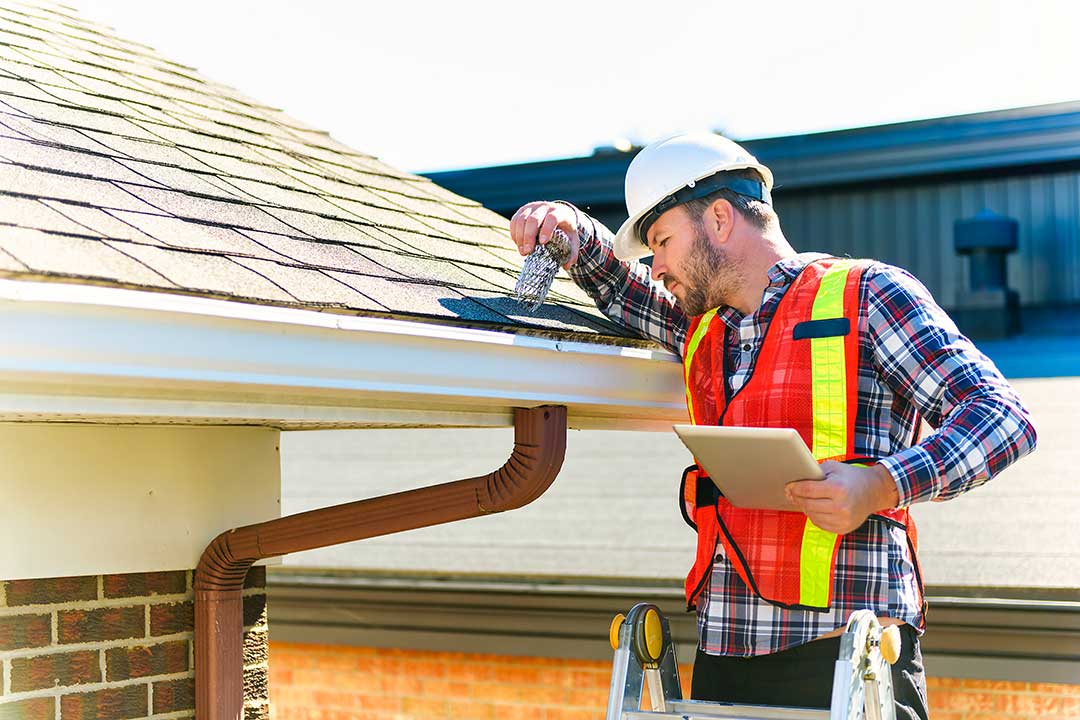
Hail rarely strikes perfectly evenly. Areas most likely to be affected include:
- Slopes facing the direction from which the storm arrived
- Roof peaks, ridges, and hips
- Edges near gutters and eaves
Metal roof vents, skylight frames, and flashing are easily dented and can serve as “canaries”—if these are marked up, shingles or shakes nearby may be damaged as well.
What Should You Do Next If You Suspect Hail Damage?
After any significant hail event, visually inspect your roof from the ground if possible. Use binoculars to check for obvious bruising, denting, or debris between shingles. Check gutters for an unusually high volume of grit, which may signal granule loss.
If you need a closer look, ensure your own safety—use a sturdy ladder, avoid climbing on roofs that are wet, steep, or covered with moss or algae. Never put yourself at risk just to check for damage.
For historical homes or those with roofing under warranty, it may be necessary to document any suspected storm impacts with photos, noting the date and storm details.
Are There Common Myths About Hail Damage in the Community?
Some residents assume only large hail can do real harm, but even small, fast-falling hail can serve as the tipping point for an aging roof. Others believe hail damage is always visible right away. In reality, issues like slow leaks or gradual shingle deterioration may not show up for months, especially if protective surfaces were only mildly disturbed.
Another common misconception is that if neighboring homes appear fine, yours must be as well. Materials, roof pitch, and tree cover can result in very different impacts even within a single block.
How Does Local Weather and Housing Style Affect Concerns?
Frequent freeze-thaw cycles in the area amplify the damage left by hail. Water can seep into small bruises or cracks, then expand during cold spells, increasing the risk of leaks or more severe shingle loss over time.
Many homes feature gabled or moderately sloped roofs ideal for shedding snow, but these angles also mean hail can hit with full force. Roofs surrounded by mature trees may escape some hail impact—but branches can also break, causing separate hazards.
Vigilance after storms, especially during the unpredictable spring and early summer weather, helps area households catch and address problems before they worsen.
