

What Should You Do First If You Find a Leak Indoors?
If water begins dripping from your ceiling or a wet patch appears overhead, immediate steps can minimize both damage and risk. First, move any electronics, furniture, or valuables out of harm’s way and lay down towels or buckets to catch dripping water. Turn off electricity in the affected area if water is near outlets or fixtures.
Leaking ceilings are especially concerning in Fort Edward’s rainy spring or after heavy winter snowmelt, when rapid water intrusion can follow thaw cycles. Don’t puncture a bulging ceiling—fish out water with a bucket instead. Quickly containing the leak buys valuable time for safe inspection and repairs.
How Do You Track Down the Source of a Roof Leak?
Most leaks aren’t directly above the indoor water spot. To trace the source:
- Investigate your attic during daylight, using a flashlight to spot damp insulation, dark patches, or obvious drips.
- Remember that water can travel along rafters or sheeting before surfacing.
- Examine roof features such as valleys, vent pipes, skylights, and flashing, as these are frequent trouble areas, especially after freeze-thaw cycles typical to the region.
After heavy rainfall or roof ice buildup, leaks may show up far from their outdoor origin. Fort Edward’s seasonally high winds and ice dams commonly drive water under shingles and into roof seams, making leak paths tricky to follow. If you can’t safely access your attic, focus on simply containing the leak indoors.
Are There Immediate Steps to Limit Further Damage?
Prompt, practical actions can help prevent ongoing problems. In addition to catching drips and protecting possessions:
- Ventilate the area well to speed drying and discourage mold growth.
- Use a mop, towels, or wet/dry vac to remove standing water.
- Gently roll back wet rugs or carpets, as padding can harbor moisture.
- Record any visible damage for future reference.
Be cautious if insulation or ceiling material is saturated. In older homes common throughout Fort Edward, plaster or lath ceilings can crumble unexpectedly after saturation, posing both mess and mild hazard. Avoid pressing on sagging ceilings, and steer children and pets clear of the area.
When Is It Okay to Wait to Fix a Roof Leak?
Small leaks may seem manageable, but even slow drips can lead to rot, mold, or structural damage. In the Fort Edward climate—especially during long stretches of wet weather—it’s risky to put off investigation. Temporary solutions like plastic sheeting or roofing tape can buy time, but are unreliable in persistent rain or storms.
It’s generally only reasonable to delay major repair if:
- The leak is very minor, easily contained, and weather is forecast to improve soon.
- You’ve confirmed the source and addressed any urgent hazard or electrical risk.
Otherwise, moisture infiltration often leads to costlier repairs if ignored, especially with the wood framing seen in many area homes.
What Short-Term Measures Work During Bad Weather?
If roof access is needed to prevent further flooding during storms or snowmelt:
- Only attempt outdoor fixes if it’s safe—avoid climbing on wet, icy, or wind-blown roofs.
- From the ground, you may be able to temporarily cover the leaky area with a tarp, securing it with boards or bricks at the edges.
- Roofing cement or special tape, available at hardware stores, may help where shingles are missing or flashing has separated.
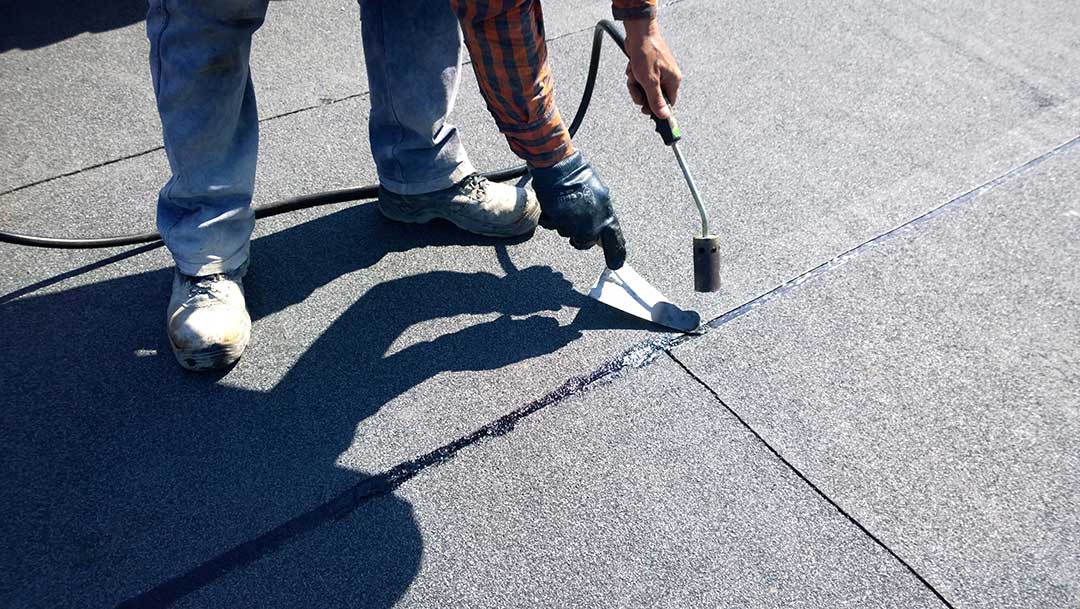
Improvised patches are only for short-term use. In the Fort Edward area, repeated freeze-and-thaw cycles, wind, and rain can quickly dislodge tarps and expose your home again. Consider checking the attic space after every thaw or rain event to assess whether stopgaps are holding.
How Do Seasonal Conditions in Fort Edward Affect Roof Leaks?
Fort Edward’s wide temperature swings and year-round precipitation create unique leak risks. Intense spring rains can reveal weak points, while winter brings ice dams, which form when melting snow refreezes at the roof edge and forces water back up under shingles.
Local homes, especially older ones, often have less roof pitch and more complex flashing details—common leak origins during heavy weather. In neighborhoods with mature shade trees, branches or blowing debris can also loosen shingles or create puncture points, leading to new leaks.
Seasonal moisture encourages hidden mold, so prompt drying and vigilance are vital after any leak event.
When Is It Necessary to Get Expert Help?
While many minor leaks are manageable, safety and local regulations matter:
- In cases of tangled electrical wiring, extensive ceiling collapse, severe attic flooding, or hidden mold growth, residents should defer to qualified professionals with the right equipment and safety protection.
- Persistent leaks after temporary repairs, or signs of major roof failure (like visible sagging or widespread water on attic floors), typically require a longer-term inspection and solution.
Local codes in Fort Edward may also guide how structural work or roof replacements are handled, particularly in historic homes or when insurance claims are involved.
What Mistakes Should Residents Avoid?
Common errors that worsen leaks or future repairs include:
- Delaying action until interior damage is obvious
- Using bathroom caulk or household sealants as roof patching material
- Walking on steep or icy roof surfaces without safety gear
- Attempting large repairs solo without enough knowledge
Another frequent problem is failing to check for mold or hidden water damage once the surface looks dry—problems can persist out of sight. In Fort Edward’s humid spring and summer conditions, attic and crawl space checks are especially important.
