

What Does Re-Roofing Mean?
Re-roofing involves installing a new layer of shingles over an existing layer. It is often chosen when a roof is generally in fair condition but showing signs of age—such as minor leaks or cosmetic wear—and the underlying structure remains solid.
In Fort Edward, where many homes have been standing for decades and experience a full range of weather conditions, re-roofing can be a practical, shorter-term solution. Since winters can be harsh and summers humid, shingles may age faster, but the roof deck often stays intact, making this option applicable for certain situations.
Re-roofing is not the same as a full replacement—it is more like resurfacing rather than rebuilding.
When Is Re-Roofing an Option?
Re-roofing is only possible if a home currently has a single layer of shingles. Local building codes generally do not allow adding a third layer due to weight and safety concerns. Key situations where re-roofing may be considered include:
- The existing roof has a single layer of shingles with no major water damage or sagging.
- There are no widespread soft spots, rot, or underlying leaks in the decking or attic.
- The new layer can be safely installed without exceeding the weight limits specified by code.
For many older homes in the city or neighborhoods where sustained exposure to freezing and thawing has not led to structural damage, re-roofing can extend roof life at a lower cost and with less disruption than a full tear-off.
What Is Roof Replacement?
Roof replacement means the entire existing roofing material—shingles and, if needed, underlayment and roof deck—is removed and replaced with completely new materials. This is the most thorough method to resolve major issues or prepare a house for several decades of use.
Roof replacement is recommended in several cases:
- There are multiple shingle layers present.
- The underlying decking is rotting, warped, or sagging.
- Major leaks, mold, or water intrusion have occurred.
- The existing shingles are at the end of their service life, crumbling, or disintegrating.
In local homes, years of ice damming or recurring leaks from thawing snow can often require full replacement rather than a simpler resurfacing. Replacement offers a fresh start, eliminates hidden problems, and makes the most sense for long-term investment.
How Can Residents Tell Which Approach Is Needed?
The simplest answer: If only the shingles look worn but the deck is sound, re-roofing might work; if there is structural damage, replacement is needed.
Residents commonly attempt to assess from ground level, but a few clear signs can help:
- Shingles that look old, curled, or cracked, but no leaks or deck softness detected inside the attic, may indicate eligibility for re-roofing.
- Soft spots underfoot, visible mold in the attic, or ceiling stains point to underlying issues only replacement will address.
It is a misconception that re-roofing “fixes” leaks long-term. Additional layers can briefly stop water but cannot resolve rot or deep-seated water intrusion. Even in homes that look good from the street, unseen problems below the surface require a more thorough approach.
Cost, Lifespan, and Disruption: What Should Households Expect?
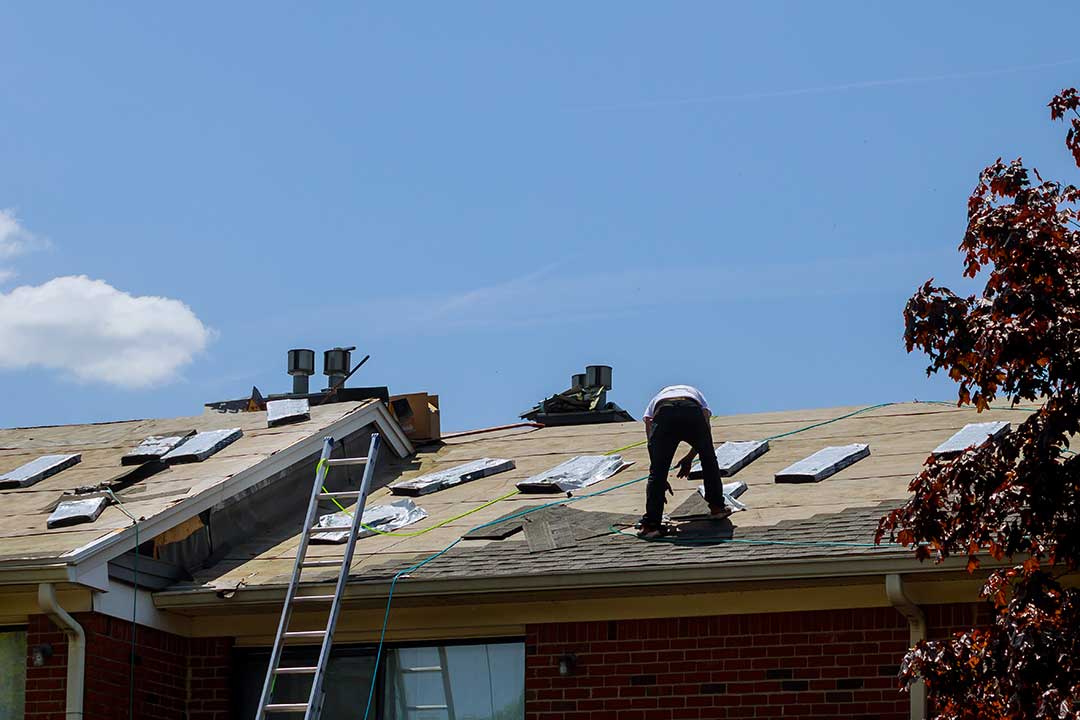
In general, re-roofing takes less time and costs less than a full replacement, since labor is reduced and disposal is minimal. The difference in lifespan can be significant, however, especially in a cold climate like this region.
- Re-roofing may add 10–15 years to a roof in good condition but does not address hidden issues or bring insulation and underlayment up to current standards.
- Full replacement gives peace of mind, potentially 20–30 years of protection, and allows adding modern water barriers to cope with snow and ice.
Residents often hope to save time and money with re-roofing, especially on older homes with one layer of shingles. However, skipping a full inspection can lead to greater costs if hidden damage goes undetected until a partial fix fails during a severe winter storm. Replacement involves more noise, debris, and time but restores total function.
How Does Local Climate Affect the Decision?
Roofing in Fort Edward has to cope with wide temperature swings, ice dams, strong winds, and both sun and rain exposure. Older homes often need attention after years of freeze/thaw cycles.
- Re-roofing may work when shingles show superficial aging mostly due to UV rays or humidity.
- Full replacement becomes necessary when repeated ice damming or snow load has compromised structural elements.
Local weather challenges mean homeowners need to think beyond surface appearance. Long periods of snow accumulation can hide leaks and weaknesses, making a thorough inspection especially wise before major decisions.
Common Misconceptions About Both Methods
- Re-roofing is not a permanent fix and can mask symptoms rather than resolve root causes.
- Roof replacement is not always needed if underlying materials are structurally sound.
- Multiple shingle layers increase weight and decrease ventilation, raising the risk of early failure—especially relevant for homes built with lighter framing common in this area.
- Re-roofing cannot “reset” the clock on all roof warranties or insurance considerations, as some policies require full replacement for coverage eligibility.
Understanding the distinctions helps area residents make informed choices, balancing budget, safety, and long-term protection for their homes.
