
What Are Green Roofing Options and How Do They Work?
Green roofing includes systems and materials designed to reduce environmental impact, increase energy efficiency, and sometimes even support plant life directly on a roof surface. In Fort Edward, NY, residents are most likely to encounter two main categories:
- Vegetative "living" roofs: These involve a waterproof membrane, soil or growing medium, and a layer of plants—often hardy species that can survive local seasonal extremes.
- Cool roofs: These use reflective materials or coatings to reduce heat absorption, cutting cooling needs in warmer months.
Both types offer environmental benefits, but their practicality varies based on local climate, housing types, and cost factors.
Do Living Roofs (Vegetative Roofs) Work Well in Fort Edward's Climate?
In brief: They are possible, but require thoughtful planning and ongoing upkeep, especially considering local winters and humidity.
Vegetative roofs are designed to absorb rainwater, insulate homes, and support pollinators. However, several challenges stand out for area homes:
- Winter weather: Fort Edward sees regular freeze-thaw cycles and occasional heavy snow. Living roofs need robust drainage and freeze-resistant waterproofing to avoid damage, leaks, or ice buildup.
- Maintenance: Plants must be chosen for local temperature swings—often sedum or similar low-growth, drought-resistant varieties. Regular weeding and seasonal checks are necessary.
- Weight: A fully installed living roof is significantly heavier than traditional options. Most residential structures would require a structural review before installation.
- Upfront cost: Initial investment is often several times the price of conventional asphalt shingles, making it a long-term commitment.
For those seeking biodiversity and stormwater management—and prepared for annual upkeep—a living roof is possible in the city, but not without real planning and ongoing attention.
How Effective Are Cool Roofs in a Northern Climate?
Cool roofs, typically made of light-colored or reflective materials, work by reflecting sunlight and absorbing less heat. In Fort Edward, these roofing options can help:
- Lower summertime attic temperatures, reducing the need for air conditioning.
- Contribute to a longer roof lifespan due to less thermal expansion and contraction.
However, the classic cool roof effect is most noticeable in hotter climates. During cold months, lighter roofing may slightly reduce solar heat gain, but this effect is relatively minor compared to its summer benefits. Insulation and air sealing often have a greater year-round impact for energy savings in this region.
Are Green Roofs Worth the Extra Cost for Area Homeowners?
The financial value of a green roof depends on which type is chosen and personal motivations.
- Vegetative roofs: Upfront costs can be two to five times higher than typical shingle or metal roofing. Ongoing maintenance, irrigation (during drought), and inspections add to long-term expenses. Most homeowners will not directly recover the cost in energy savings alone, but some value the environmental or aesthetic payoff.
- Cool roofs: Price increases tend to be modest (sometimes less than 10–15% over standard materials) and don't require expensive structural work. Energy cost savings are generally more modest here than in the southern U.S., but may help homes with poor summer insulation or attic ventilation.
Unless the household values environmental impact or city programs incentivize these upgrades, the "payback" is not immediate—but some residents see it as part of a longer-term sustainability goal.
What Are Some Overlooked Challenges With Green Roofing Locally?
Homeowners sometimes underestimate the year-round upkeep and compatibility issues:
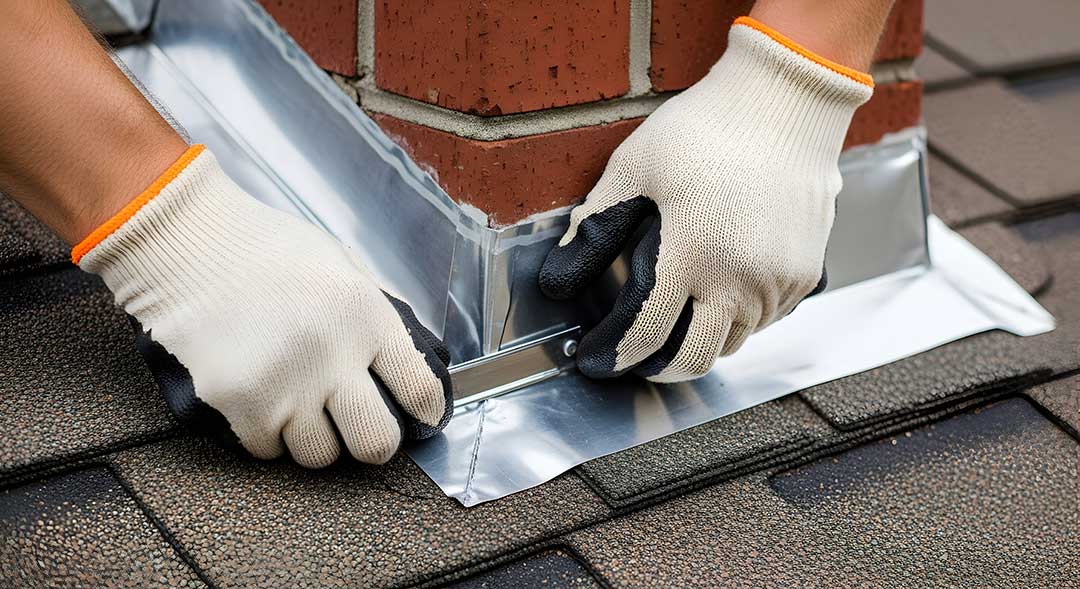
- Drainage and leaks: Both living and cool roofs must be properly installed to handle ice damming and high rainfall periods common in Fort Edward.
- Insurance and warranties: Some policies and roofing material warranties have restrictions or exclusions that cover green installations, especially for vegetative layers.
- Wildlife and pests: Green roofs can attract birds and insects, potentially leading to new maintenance needs near attic or eave areas.
- Local codes: Building or zoning codes may require permits or specific engineering documentation, especially for adding significant weight to a structure.
Failing to anticipate these factors can lead to costly fixes or reduced roof lifespan.
Are There Local Incentives or Environmental Programs?
At present, there are limited municipality-wide programs specifically focused on green roofing for single-family homes in Fort Edward. Most green roof incentives are found in larger urban areas. However, some state and regional sustainability grants can be explored for certain eco-friendly home upgrades. Local households should check official municipal or New York State websites for any current pilot or reimbursement programs related to energy or stormwater management.
When Do Green Roofs Make the Most Sense for Fort Edward Residents?
Green roofing tends to be most suitable for:
- New constructions or major additions (where roof load can be engineered from the start)
- Community buildings, workshops, or garages that can model eco-friendly practices on a small scale
- Homeowners willing to invest time and money for a longer-term environmental benefit
Retrofitting a typical older home in the area with a living green roof is more complex and costly; a cool roof coating or high-performance insulation may offer similar savings with fewer hurdles.
What Are Common Misconceptions About Eco-Friendly Roofs?
Not every green option “pays for itself” in energy savings. In this climate, high-quality attic insulation and air sealing remain the first line of defense for energy efficiency. Many households believe a vegetative roof means “no more roof maintenance,” but these systems often need more regular inspections and occasional repairs than traditional options, especially after storms or freeze-thaw cycles.
Green roofing is not a “set and forget” system—ongoing involvement is required, especially when factoring in the growing conditions unique to the northeast.
