
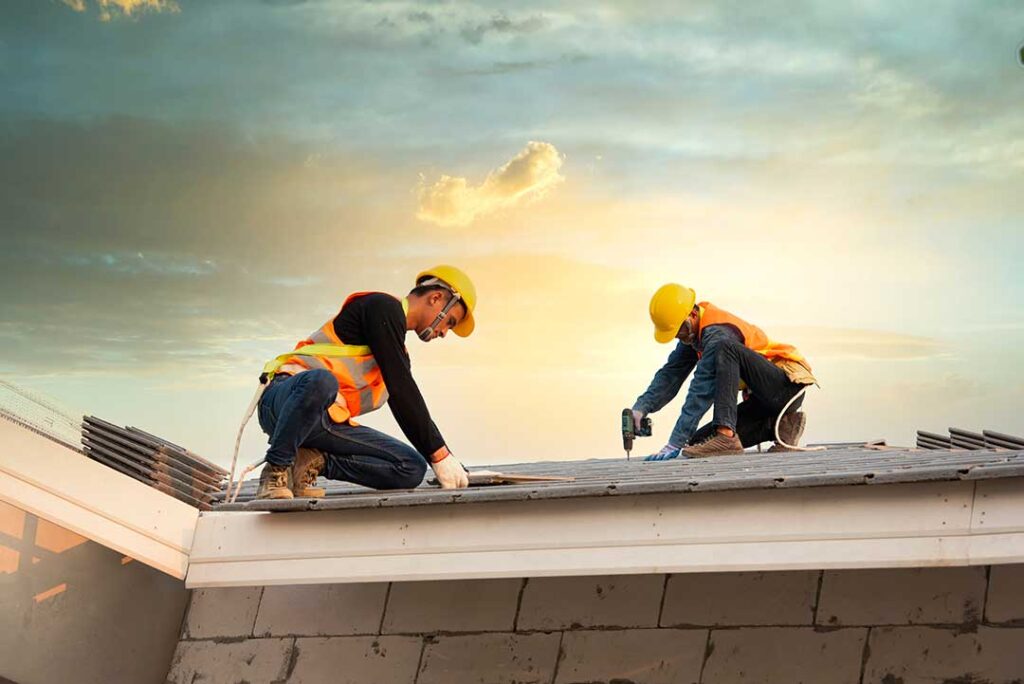
What are the most common roofing scams?
Roofing scams usually rely on urgency, unclear pricing, incomplete paperwork, or pressure to make a quick decision. Homeowners are often approached after a storm, when roof damage may be difficult to assess and several contractors may be competing for attention.
Common warning signs include:
- Unsolicited visits immediately after strong winds, hail, or heavy snowfall
- Claims that damage is obvious without a careful roof inspection
- Pressure to sign a contract before comparing options
- Requests for a large cash deposit or full payment in advance
- Vague estimates that do not identify materials, labor, cleanup, or repairs
- Promises that an insurance claim will guarantee a free roof
- Offers to “waive” an insurance deductible
- A contractor who refuses to provide a written agreement
- Temporary contact information, out-of-state plates, or no verifiable local history
Not every new roofing company is dishonest, and a door-to-door introduction is not automatically proof of fraud. The concern is whether the person can provide clear identification, verifiable references, a detailed scope of work, and time for the homeowner to make an informed choice.
Why do roofing scams increase after storms?
Storm-related scams are common because damaged homes create immediate anxiety. Residents may see missing shingles, fallen branches, leaks, or loose metal and assume that every problem must be repaired at once. Some damage does require prompt attention, but that does not mean a homeowner must sign a contract during the first visit.
In Fort Edward, changing weather can create legitimate roofing concerns. Freeze-thaw cycles, wind, ice buildup, and heavy snow may expose weaknesses that were not visible during warmer months. A careful inspection should distinguish between new storm damage, normal aging, deferred maintenance, and pre-existing problems.
A trustworthy inspection should explain:
- Where the damage is located
- Whether it affects the roof covering, flashing, decking, gutters, or interior
- Whether temporary protection is needed
- Which repairs are urgent and which can be planned
- What evidence supports the recommendation
A contractor who uses dramatic language but cannot point to specific conditions is giving homeowners little useful information.
How can a homeowner verify a roofing contractor?
Verification should happen before signing a contract or making a substantial payment. Ask for the contractor’s legal business name, physical mailing address, telephone number, proof of insurance, and references for comparable work.
Then check the information independently rather than relying only on documents supplied at the door. Useful steps include:
- Confirm that the business can be reached through consistent contact information
- Ask for recent references and speak with those property owners directly
- Review written complaints or disciplinary records where available
- Confirm that workers are covered by appropriate insurance
- Ask who is responsible for permits when permits are required
- Compare the proposed materials with the roof’s existing construction
- Check whether subcontractors will be used and who supervises them
Insurance documents should be current and should identify the business being hired. A certificate with missing, inconsistent, or outdated information deserves clarification before work begins.
Homeowners should also be cautious about people who say they are “working in the area” but cannot explain where the company is based or provide a stable way to reach the business after the project.
What should a roofing estimate include?
A reliable estimate should be specific enough that another person could understand what work is planned. A single line such as “replace roof—$12,000” leaves too many questions unanswered.
The written scope should identify:
- The areas to be repaired or replaced
- Removal and disposal of existing roofing
- The type, grade, and approximate quantity of materials
- Flashing, ventilation, underlayment, and edge details
- Repairs to damaged roof decking, if needed
- Protection for landscaping, siding, windows, and nearby surfaces
- Cleanup and removal of construction debris
- Start and completion expectations
- Payment stages and the total contract price
- The process for approving changes or unexpected repairs
- Warranty terms and who provides each warranty
A proper agreement should not allow major price increases through vague language. If hidden damage is discovered, the contractor should explain the condition, document it with photographs when practical, and obtain written approval before performing additional work.
Homeowners should keep copies of the estimate, contract, receipts, photographs, insurance documents, and communications in one file.
Is it a scam if someone offers to handle the insurance claim?
Not necessarily, but insurance-related promises require special caution. A roofing contractor can document visible damage and provide an estimate, but the insurance company decides whether a claim is covered and how much may be paid under the policy.
Be wary of statements such as:
- “The insurance company always pays for this.”
- “There will be no out-of-pocket cost.”
- “Sign this form and the claim is handled.”
- “The deductible can be waived.”
- “The inspection is free only if you sign today.”
A contractor should not misrepresent damage, inflate an invoice, or encourage a homeowner to submit information that is not accurate. Waiving or disguising a deductible may create legal or insurance problems, even if it is presented as a discount.
The homeowner should contact the insurance company directly using the number on the policy documents, not only a number supplied by a salesperson. The insurer can explain coverage, deductibles, documentation requirements, and claim procedures without relying on a contractor’s interpretation.
Should a homeowner pay a large deposit?
A modest, documented deposit may be part of a legitimate agreement, especially when materials must be ordered. A demand for full payment before work starts is a serious warning sign.
Payment arrangements should match the progress of the project. The contract should state:
- The deposit amount
- What the deposit covers
- When additional payments are due
- What happens if work is delayed or canceled
- Whether final payment depends on cleanup and completion
Avoid paying in cash without a receipt. Do not sign blank documents, authorize open-ended charges, or provide access to personal financial accounts. Payment records should show the date, amount, purpose, and recipient.
If a person becomes hostile after a homeowner asks reasonable questions about payment, insurance, or paperwork, ending the conversation is sensible.
What should residents do after an unsolicited roofing visit?
A homeowner does not have to decide at the door. Ask for written information and take time to verify it. Do not allow pressure, intimidation, or repeated visits to turn an inspection into an immediate contract.
If a roof appears to be leaking, use a temporary container for interior water, move valuables away from the area, and document visible damage. Do not climb onto the roof during wet, icy, windy, or snowy conditions. Roof surfaces, ladders, and damaged structures can be dangerous, particularly during seasonal weather changes.
If the visitor refuses to leave, makes threats, or attempts to enter the property without permission, prioritize personal safety and seek appropriate assistance. Suspected fraud can be reported to relevant consumer-protection or law-enforcement authorities, while insurance questions should be directed to the insurer.
The safest roofing decisions are usually made with written details, independent verification, realistic timelines, and enough time to compare information. A legitimate contractor should be able to explain the work clearly without demanding immediate trust.
