
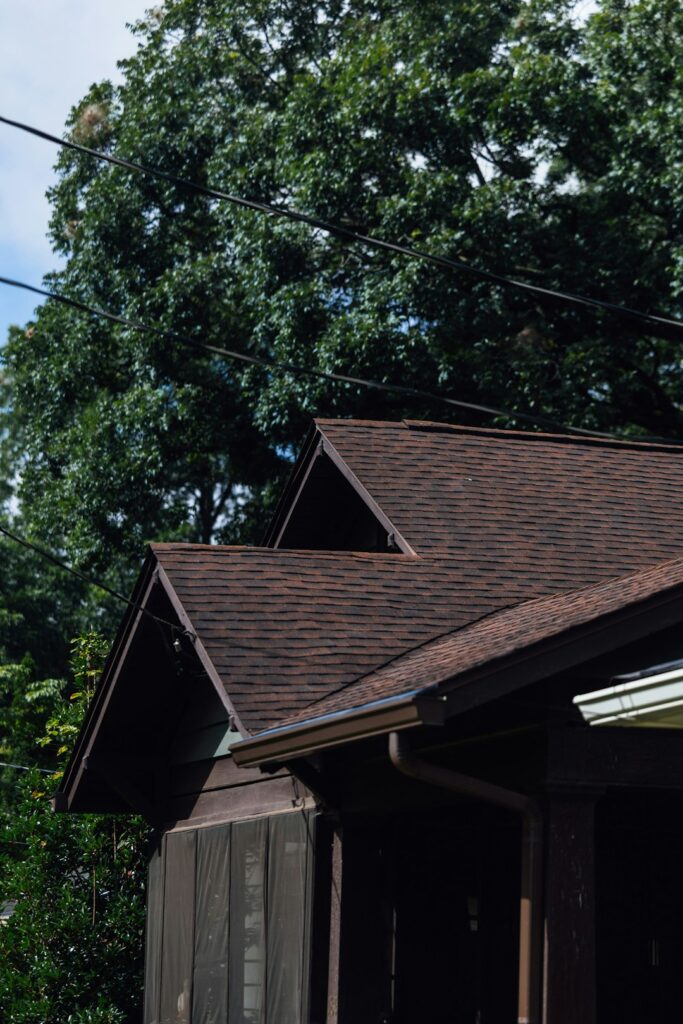
A typical roof lasts about 15 to 30 years, although the actual service life depends on the roofing material, installation quality, ventilation, maintenance, roof slope, and exposure to weather. In Fort Edward, asphalt shingle roofs commonly fall within that range, while well-maintained metal, slate, or tile systems can last considerably longer.
A roof’s expected lifespan is a planning estimate, not a precise expiration date. Two roofs installed in the same year may age very differently because of differences in attic moisture, sun exposure, snow accumulation, storm damage, and previous repairs.
How long does an asphalt shingle roof usually last?
Most standard asphalt shingle roofs last approximately 15 to 25 years. Higher-quality architectural shingles may remain serviceable for 25 to 30 years or more under favorable conditions.
The age of the roof provides a useful starting point, but it does not tell the whole story. A 20-year-old roof with good ventilation and no significant damage may perform better than a 12-year-old roof exposed to repeated wind, ice, or poor attic conditions.
Common signs that asphalt shingles are aging include:
- Granules collecting in gutters or at the base of downspouts
- Shingles that are cracked, curled, blistered, or missing
- Dark streaks, exposed fiberglass, or bald patches
- Areas that appear wavy or uneven
- Leaks around roof penetrations, chimneys, or valleys
- Repeated repairs in the same general area
A few isolated damaged shingles do not necessarily mean the entire roof has reached the end of its life. Widespread deterioration, however, usually indicates that repairs may provide only temporary results.
How long do other roofing materials last?
Roofing material makes a major difference in expected service life.
- Three-tab asphalt shingles: Often last about 15 to 20 years.
- Architectural asphalt shingles: Commonly last about 20 to 30 years.
- Standing-seam or exposed-fastener metal roofing: Often lasts 30 to 50 years, depending on the metal, coating, fasteners, and maintenance.
- Wood shingles or shakes: May last about 20 to 30 years, but they require more attention to moisture, moss, splitting, and decay.
- Slate, clay tile, or concrete tile: Can last 50 years or longer when the supporting structure and installation remain sound.
These ranges are broad because product quality, slope, workmanship, and weather exposure vary. A long manufacturer rating does not guarantee that a roof will reach that age in every home.
Does winter weather shorten roof life in Fort Edward?
Cold weather alone does not automatically damage a roof, but repeated winter cycles can increase wear. Fort Edward experiences regular snow, freezing temperatures, thawing periods, rain, and spring melt. These conditions can place stress on shingles, flashing, fasteners, gutters, and roof edges.
The most significant winter-related concerns include:
Ice dams
Ice dams form when heat escapes into a cold attic and melts snow on the warmer portions of the roof. The water can refreeze near colder eaves, creating a ridge that blocks drainage. Water may then work beneath shingles or behind flashing.
Ice dams are often related to attic insulation, air leakage, ventilation, roof shape, and weather conditions rather than to shingle age alone.
Snow and ice loading
Most residential roofs are designed to carry typical local snow loads, but heavy, wet snow can add substantial weight. Uneven snow accumulation may be more concerning on lower roof sections, additions, porch roofs, or areas beneath higher roof slopes.
Freeze-thaw movement
Water that enters small cracks or openings can freeze, expand, and enlarge the damage. Repeated cycles may affect masonry flashing, sealants, valleys, and deteriorated shingles.
Wind and falling branches
Winter storms and strong gusts can lift shingle edges, loosen flashing, or break branches that strike the roof. Damage may be limited to one section, but it should be documented and monitored before the next major storm.
Does attic ventilation affect roof longevity?
Yes. Proper attic ventilation and air sealing can help control heat and moisture, two factors that influence roof aging.
An attic that stays excessively warm may contribute to premature shingle deterioration, especially on the sun-facing side. Excess moisture can promote mold, wood decay, rusty fasteners, and damp insulation. In winter, warm attic air can also contribute to uneven roof temperatures and ice dams.
Ventilation does not mean simply adding more vents. The system needs balanced intake and exhaust airflow, along with appropriate insulation and air sealing. Blocking soffit vents with insulation or relying on a single roof vent may not solve the underlying problem.
How can homeowners tell whether a roof needs repair or replacement?
A roof may still be repairable when damage is limited, localized, and the surrounding shingles remain flexible and intact. Examples include a small number of missing shingles, isolated flashing damage, or a single puncture from a fallen branch.

Replacement becomes more likely when problems are widespread or recurring. Warning signs include:
- Shingles losing granules across large areas
- Multiple leaks during ordinary rain
- Sagging roof planes or visibly weakened decking
- Extensive moss or moisture-related deterioration
- Several layers of old roofing material
- Shingles that are brittle, cracked, or no longer sealing
- Persistent water stains or damp insulation in the attic
Water stains do not always appear directly below the entry point. Roof leaks can travel along rafters, decking, insulation, or framing before becoming visible indoors.
Does a roof’s age determine when it should be replaced?
No. Age is one factor, but condition matters more than the calendar alone.
A roof approaching the upper end of its expected lifespan deserves closer observation, particularly before winter and after major storms. A newer roof may need prompt attention if it has installation defects, storm damage, poor flashing, or serious ventilation problems.
Homeowners who do not know the installation date can often find clues in closing documents, building records, previous invoices, or insurance paperwork. The condition of the shingles and underlying roof components remains more useful than an uncertain date by itself.
What maintenance helps a roof last longer?
Routine observation can identify small problems before they become interior water damage. A practical maintenance routine includes:
- Checking the roof from the ground after severe weather
- Looking for missing, lifted, or damaged shingles
- Keeping gutters and downspouts clear
- Watching for excessive granules in gutter debris
- Trimming branches that touch or hang over the roof
- Inspecting attic areas for dampness, mold, daylight, or staining
- Checking flashing around chimneys, vents, skylights, and roof-wall intersections
- Avoiding pressure washing or walking on brittle shingles
Snow should not be removed from a roof casually. Climbing onto an icy roof creates a serious fall hazard, and improper tools can damage shingles or flashing. Roof access, snow removal, and repairs may require appropriate safety equipment and experience.
For residents planning around a roof’s remaining life, the most useful approach is to combine the material’s typical range with its current condition, attic performance, repair history, and exposure to local winter weather. A roof that is inspected periodically and kept free of preventable moisture problems may last near the upper end of its expected range, while a neglected roof can fail much sooner.
